Adding lime to your lawn, many people trusted, is better than mowing it. We knew that without lime, lawn grasses may struggle to absorb essential nutrients from the soil, including those provided by fertilizers.
Many lawns suffer from acidic soil, which can hinder grass growth and lead to weak, discolored patches. Thanks to Lime because it helps neutralize soil acidity, creating an optimal environment for grass to develop strong roots and thrive. In addition, lime encourages beneficial microbial activity, which aids in breaking down organic matter and improving soil structure. So what more you want to know about adding lime to your lawn?, see the review below!
When and Why Should You Apply Lime?
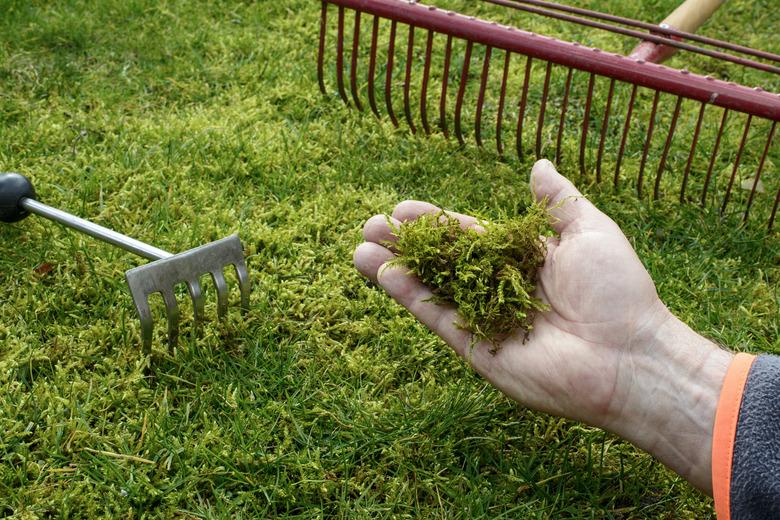
Applying lime to your lawn is necessary when soil tests indicate high acidity levels. Many factors contribute to soil becoming acidic over time, including rainfall, the natural breakdown of organic matter, and the use of fertilizers. Acidic soil can lead to poor grass growth, the appearance of moss, and an increase in weeds that thrive in low-pH conditions.
The best time to apply lime is in the fall or early spring when the soil is not frozen and has enough moisture to help the lime break down and integrate properly. Applying lime in these seasons allows it to work into the soil before the peak growing periods of grass, making it more effective. However, lime should not be applied during hot summer months when grass is already under stress from heat.
Soil pH Changes and Why Lime is the Solution
Soil pH is not a static measurement; it changes over time due to natural processes and external factors. Rainfall can leach essential nutrients from the soil, making it more acidic. The use of certain fertilizers, especially those high in nitrogen, can also lower soil pH. Additionally, decomposing leaves, grass clippings, and other organic materials can increase acidity over time.
When soil becomes too acidic, grass struggles to absorb necessary nutrients, even if fertilizers are applied regularly. This can lead to yellowing, stunted growth, and the invasion of weeds and moss. Lime counteracts soil acidity, restoring pH balance and enhancing nutrient availability. This creates a better environment for grass to grow thick and healthy, reducing the need for excessive fertilizers and pesticides.
How Much Lime Should You Apply?
The amount of lime needed depends on the current soil pH, soil type, and the type of lime being used. A soil test is essential before applying lime, as it provides accurate information on how much is required to correct acidity. In general:
Sandy soils require less lime to adjust pH compared to clay or loamy soils.
A typical application rate ranges from 20 to 50 pounds of lime per 1,000 square feet, depending on soil test recommendations.
It is best to apply lime gradually, rather than all at once, to avoid overcorrection, which could make the soil too alkaline.
Most Effective Way to Apply Lime
To ensure maximum effectiveness, follow these steps when applying lime for your grass:
Conduct a Soil Test – Before applying lime, test your soil’s pH to determine how much lime is needed.
Choose the Right Type of Lime – There are two main types: calcitic lime (high in calcium) and dolomitic lime (contains calcium and magnesium). If your soil lacks magnesium, dolomitic lime is a better choice.
Use the Correct Application Method – Lime can be applied using a broadcast spreader for even distribution. Avoid applying too much in one area, as this can cause uneven pH balance.
Water the Lawn – After application, lightly water the lawn to help the lime absorb into the soil.
At last, be patient – Lime takes time to adjust soil pH. It can take several months for noticeable results, so regular soil testing is important to monitor progress.
Applying lime for your grass correctly and at the right time can maintain a healthy, vibrant lawn that is resistant to weeds, moss, and nutrient deficiencies. A well-balanced soil pH ensures that your grass receives the nutrients it needs.